Understanding Access Control Systems: A Comprehensive Guide
AM
Introduction to Access Control Systems
Access control systems are an essential component of modern security infrastructures, designed to regulate who can enter or exit specific areas. These systems provide a robust mechanism to safeguard sensitive information and valuable assets by ensuring that only authorized individuals have access.
Types of Access Control Systems
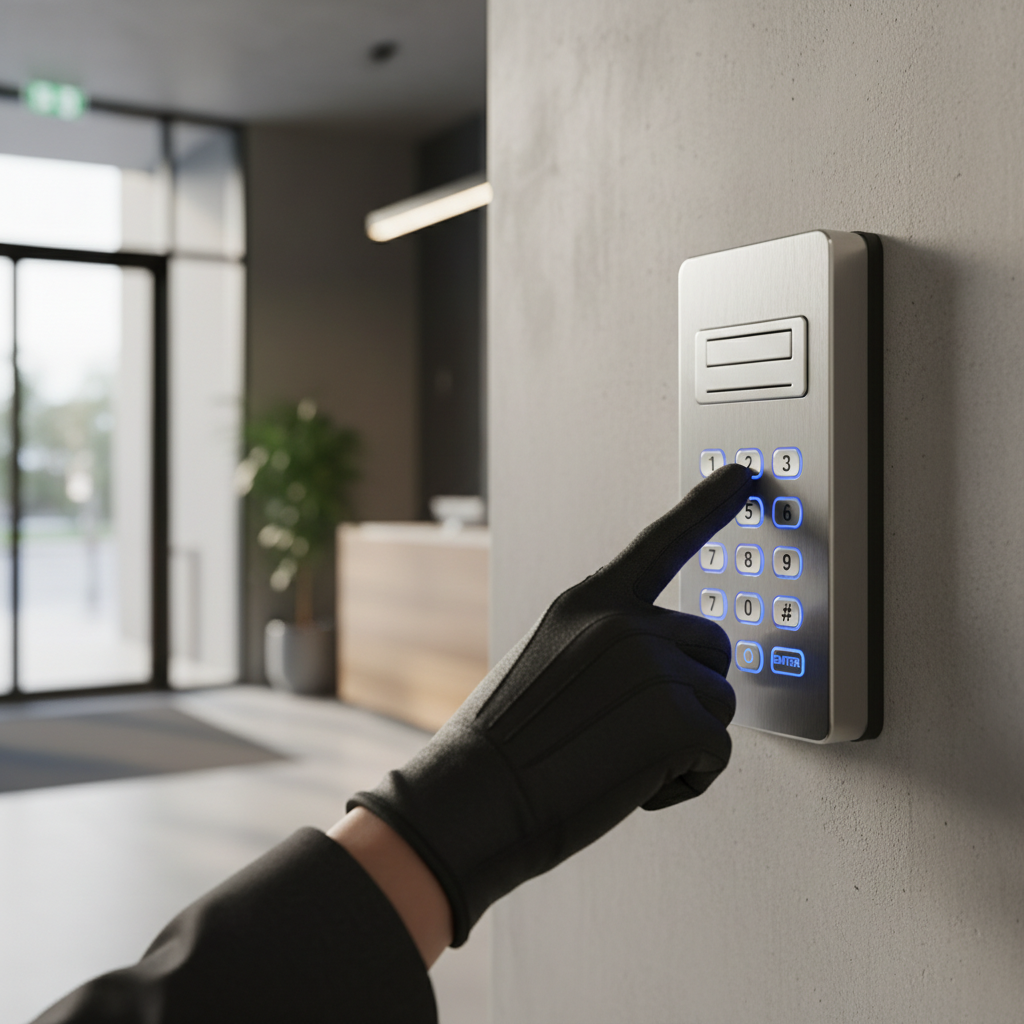
There are several types of access control systems, each tailored to meet specific security needs. Broadly, they can be categorized into three types:
- Discretionary Access Control (DAC): This type allows the owner of the protected system to set policies governing access.
- Mandatory Access Control (MAC): In this type, access rights are regulated by a central authority based on multiple security levels.
- Role-Based Access Control (RBAC): Access decisions are based on the roles that users have within a system.
Components of Access Control Systems
An effective access control system is composed of several key components:
- Identification: This is generally achieved through user credentials like ID cards or biometric data.
- Authentication: The system verifies the identity of the user trying to gain access.
- Authorization: Once authenticated, the system determines what resources the user can access.
- Accountability: Ensures that all access events are logged for auditing purposes.
Benefits of Access Control Systems
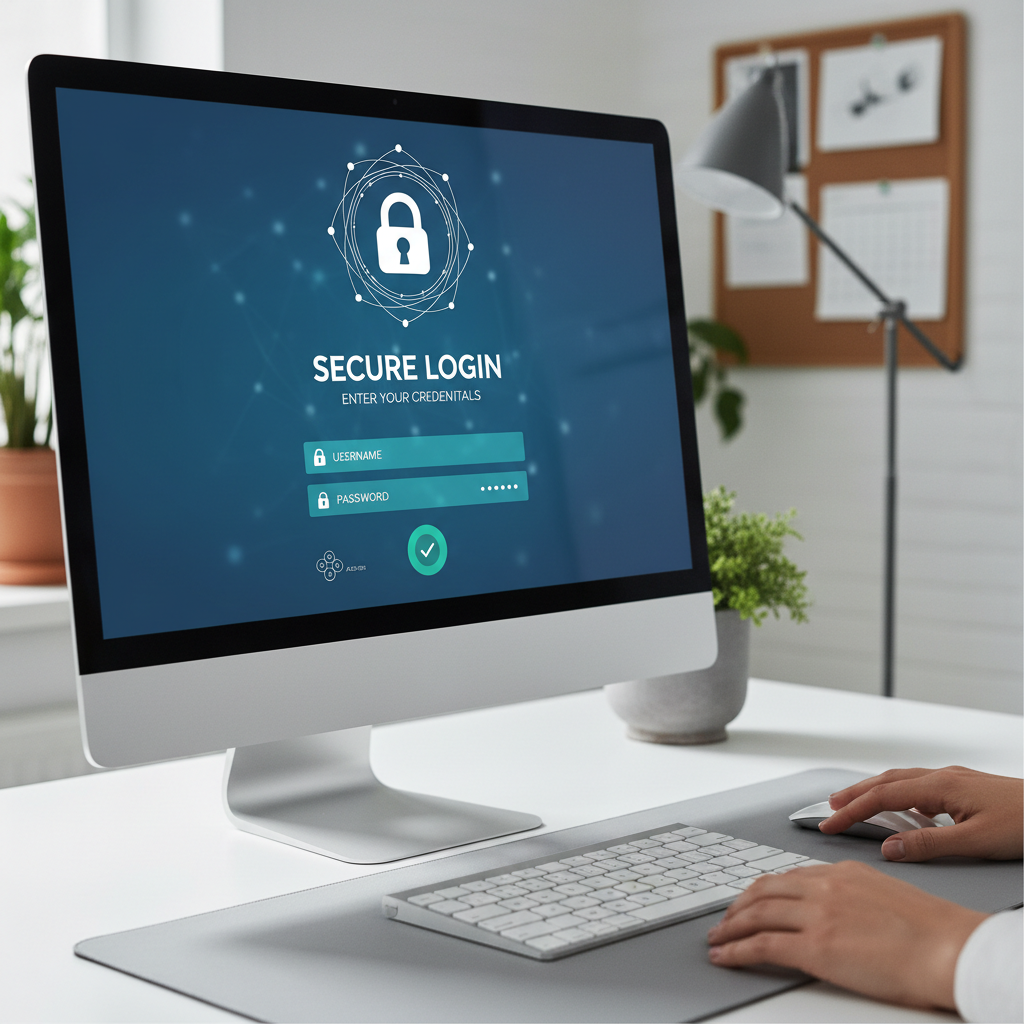
Implementing an access control system offers numerous benefits, including enhanced security, real-time monitoring, and reduced risk of unauthorized access. These systems provide businesses with greater control and visibility over their premises.
Additionally, access control systems can be integrated with other security measures, such as surveillance cameras, to create a comprehensive security solution.
Choosing the Right Access Control System
Selecting the appropriate access control system depends on several factors, including the size of the organization, the level of security required, and budget constraints. It's crucial to assess current and future needs to ensure scalability and effectiveness.
Installation and Maintenance
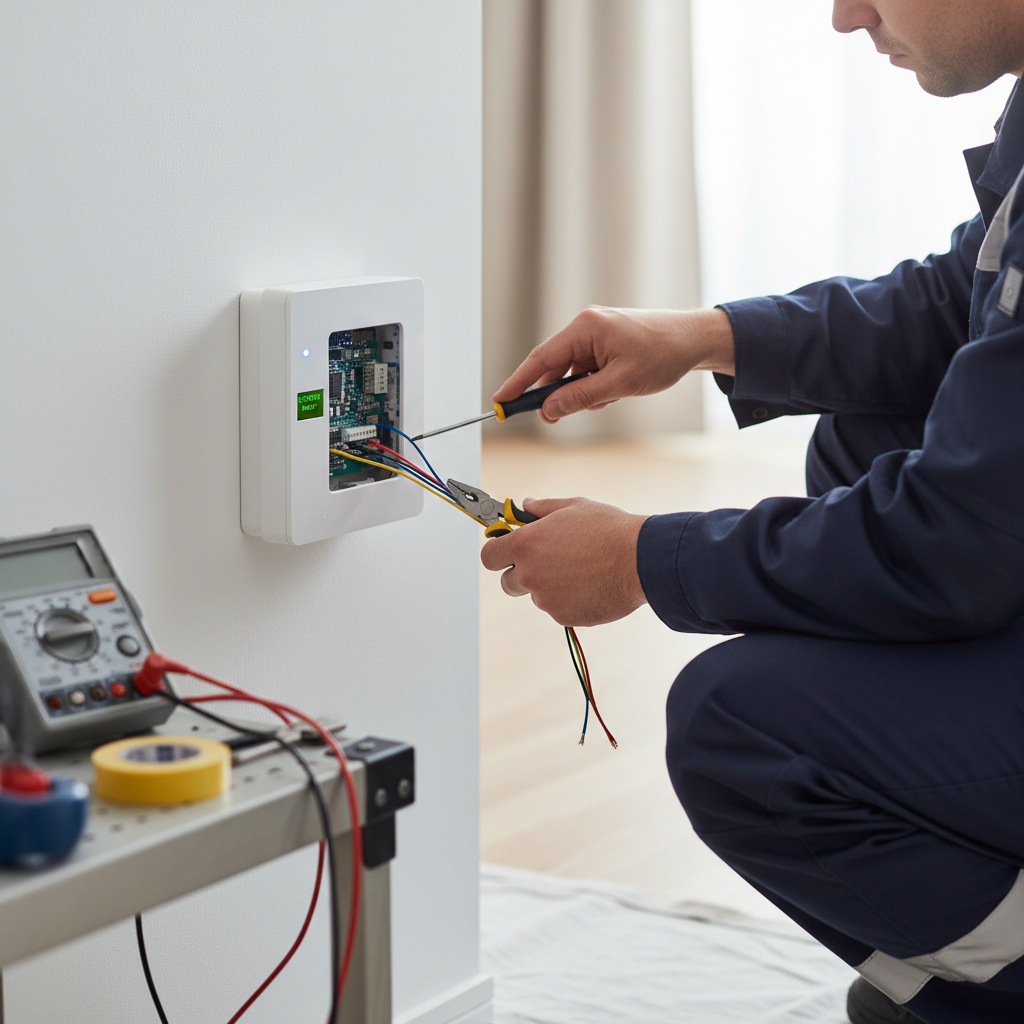
Proper installation is vital for the effectiveness of access control systems. It is advisable to work with experienced professionals who can tailor the system to your specific requirements. Regular maintenance and updates are essential to ensure the system remains functional and secure.
Future Trends in Access Control
As technology evolves, access control systems are becoming more sophisticated. Emerging trends include the use of artificial intelligence for enhanced security analytics, mobile access control systems, and the integration of Internet of Things (IoT) devices for smarter security solutions.

Conclusion
Understanding access control systems is crucial for anyone looking to secure their organization effectively. By selecting the right system and ensuring proper installation and maintenance, businesses can protect their assets and ensure the safety of their employees.
As technology continues to advance, staying informed about the latest developments in access control can help organizations stay ahead of potential security threats.