The Ultimate Guide to Network Cabling Installation in Woodstock
AM
Network cabling installation is a crucial aspect of establishing a reliable and efficient communication infrastructure, especially in Woodstock where businesses and homes are rapidly advancing technologically. Whether you're setting up a new office or upgrading your home network, having the right cabling in place is essential.

Understanding Network Cabling
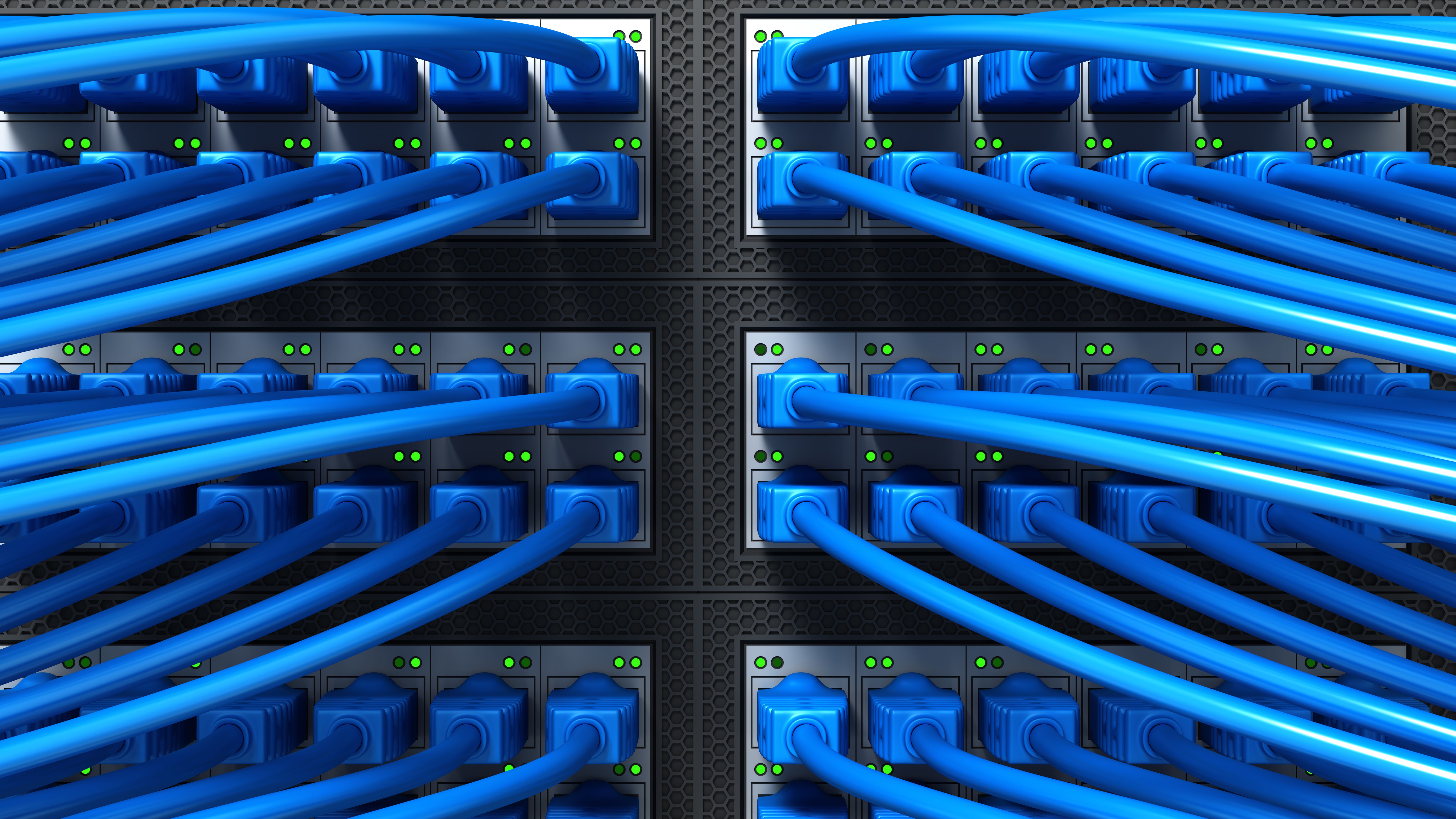
Before diving into the installation process, it's important to understand the different types of network cabling available. The most common types include Cat5e, Cat6, and Cat6a. Each type has its own advantages in terms of speed, bandwidth, and cost. Choosing the right one depends on your specific needs and future-proofing considerations.
Cat5e vs. Cat6 vs. Cat6a
Cat5e cables are cost-effective and suitable for most standard network needs, supporting speeds up to 1 Gbps. Cat6 cables offer higher performance, with speeds up to 10 Gbps over shorter distances. For even greater performance, Cat6a provides enhanced shielding and can maintain 10 Gbps over longer distances.
Planning Your Installation
Proper planning is key to a successful network cabling installation. Start by mapping out your space and determining where each network connection is needed. Consider current requirements and potential future expansion. This step ensures that you won’t have to make costly adjustments later.
Choosing the Right Installer
Hiring a professional installer in Woodstock is recommended for optimal results. Look for experienced technicians who understand local building codes and standards. They should be able to provide references and a detailed project plan.
The Installation Process
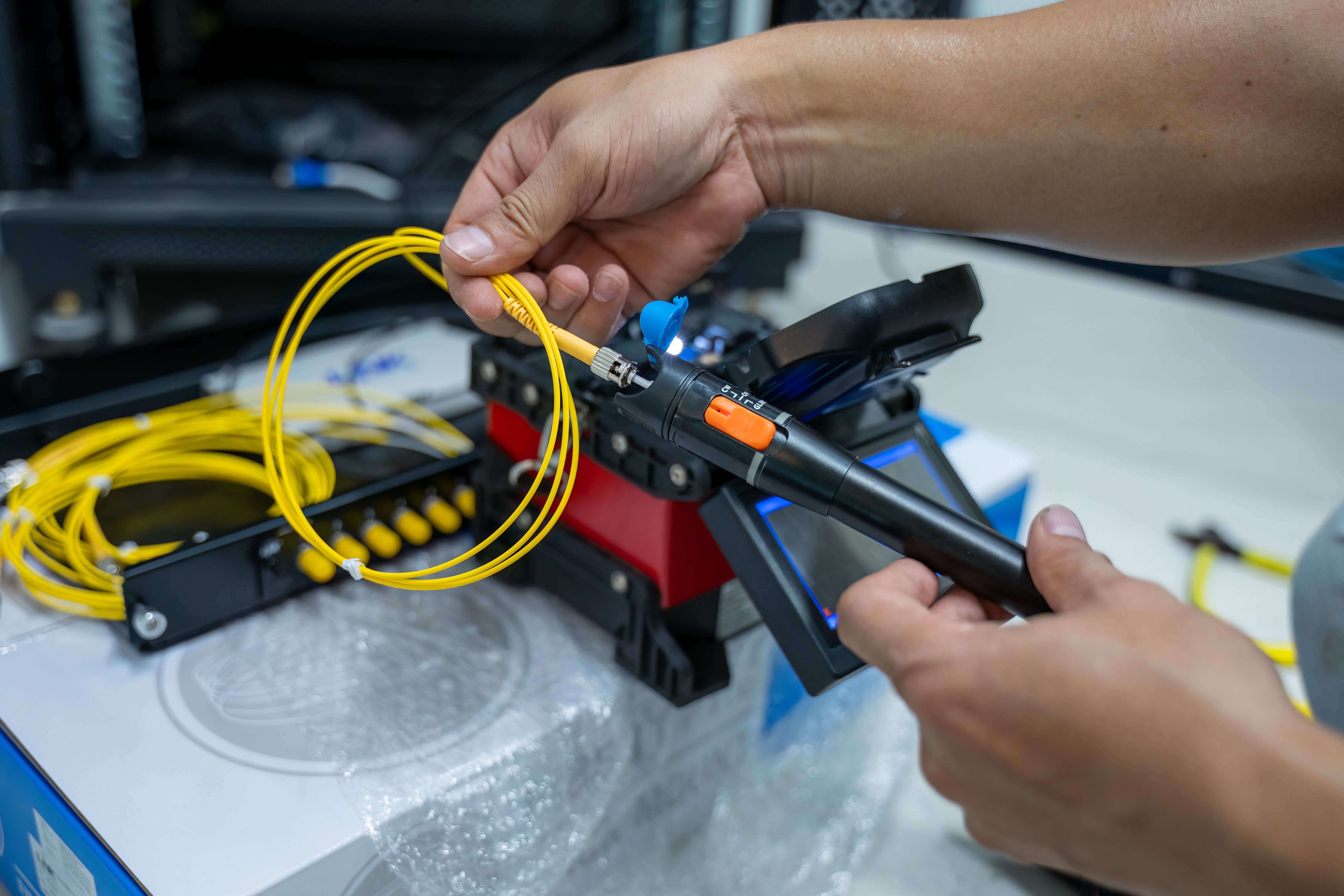
The installation process typically involves several key steps. First, technicians will run cables through walls, ceilings, or under floors, depending on your layout. Next, they’ll terminate the cables at both ends, connecting them to network devices or patch panels. Finally, they’ll test the network to ensure everything is functioning correctly.
Post-Installation Testing
Testing is a critical part of the installation process. Technicians will use specialized equipment to check for continuity, signal strength, and any potential interference. This step helps verify that the network is ready for use and meets all performance standards.

Maintenance and Troubleshooting
Once your network cabling is installed, regular maintenance is essential to keep it functioning optimally. This includes checking connections, replacing any damaged cables, and ensuring that network devices are up to date. If you encounter any issues, a professional installer can provide troubleshooting support.
In conclusion, network cabling installation in Woodstock involves careful planning, professional execution, and ongoing maintenance. By choosing the right cabling and installer, you can ensure a reliable network that supports your communication needs now and in the future.