The Future of Audio Visual Integration: What Businesses Need to Know
AM
Understanding the Shift in Audio Visual Integration
As technology continues to evolve, the landscape of audio visual (AV) integration is undergoing significant transformations. Businesses are increasingly relying on cutting-edge AV solutions to enhance communication, collaboration, and engagement. Embracing these innovations is crucial for staying competitive in today’s fast-paced environment.
The shift towards more integrated AV systems is driven by the need for seamless connectivity and user-friendly interfaces. These systems are not only about displaying information but creating immersive experiences that captivate audiences and enhance productivity.
The Rise of Smart Technology
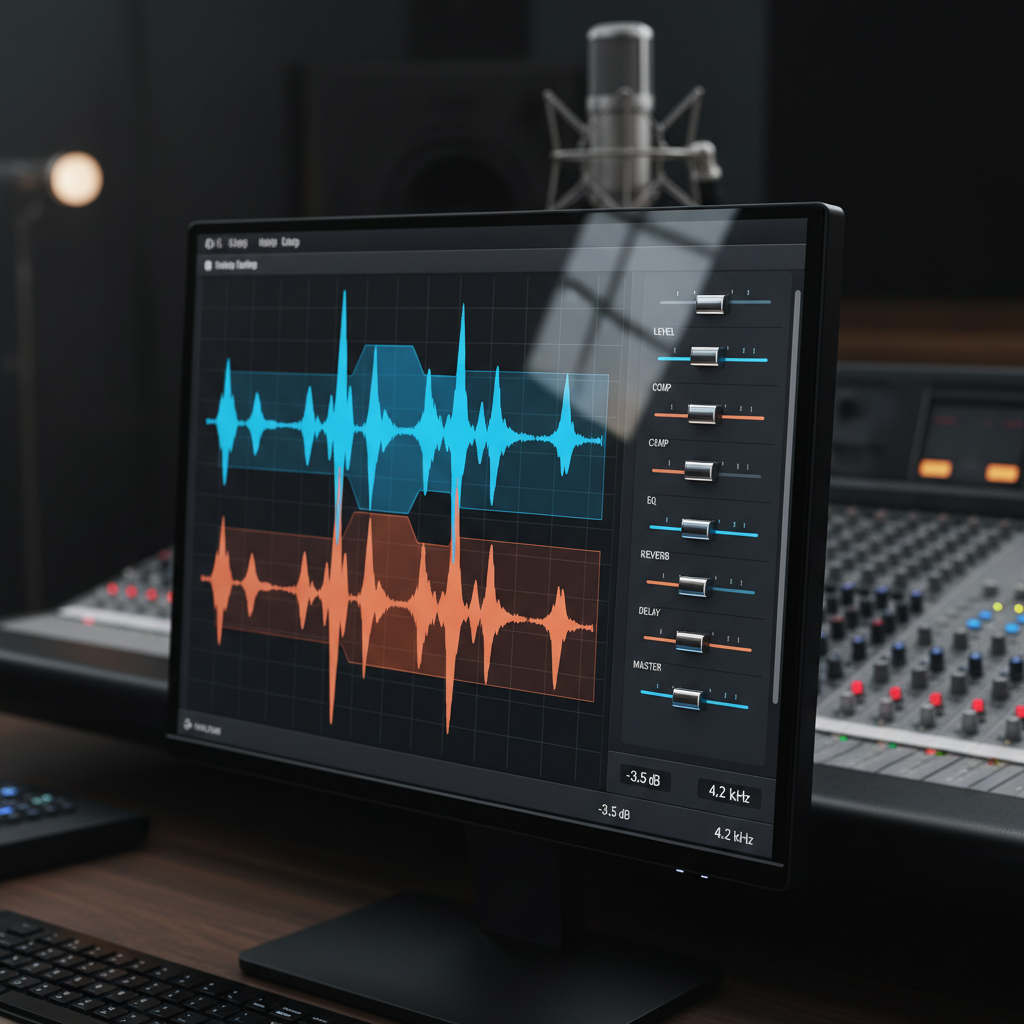
One of the most significant trends in AV integration is the incorporation of smart technology. Smart systems offer automation, allowing businesses to control various components of their AV setups with ease. From lighting to sound, smart technology ensures that everything works harmoniously, creating an optimal environment for meetings, presentations, and events.
Furthermore, smart technology facilitates remote access and control. This feature is particularly beneficial in our increasingly digital world, where remote work and virtual meetings are becoming the norm.
Integration with IoT
The Internet of Things (IoT) is another game-changer in the AV industry. IoT enables devices to communicate with each other, creating a network of interconnected systems. This integration allows for real-time data sharing and enhances the functionality of AV setups, providing businesses with valuable insights and improved efficiency.
Enhanced Collaboration with Unified Communication
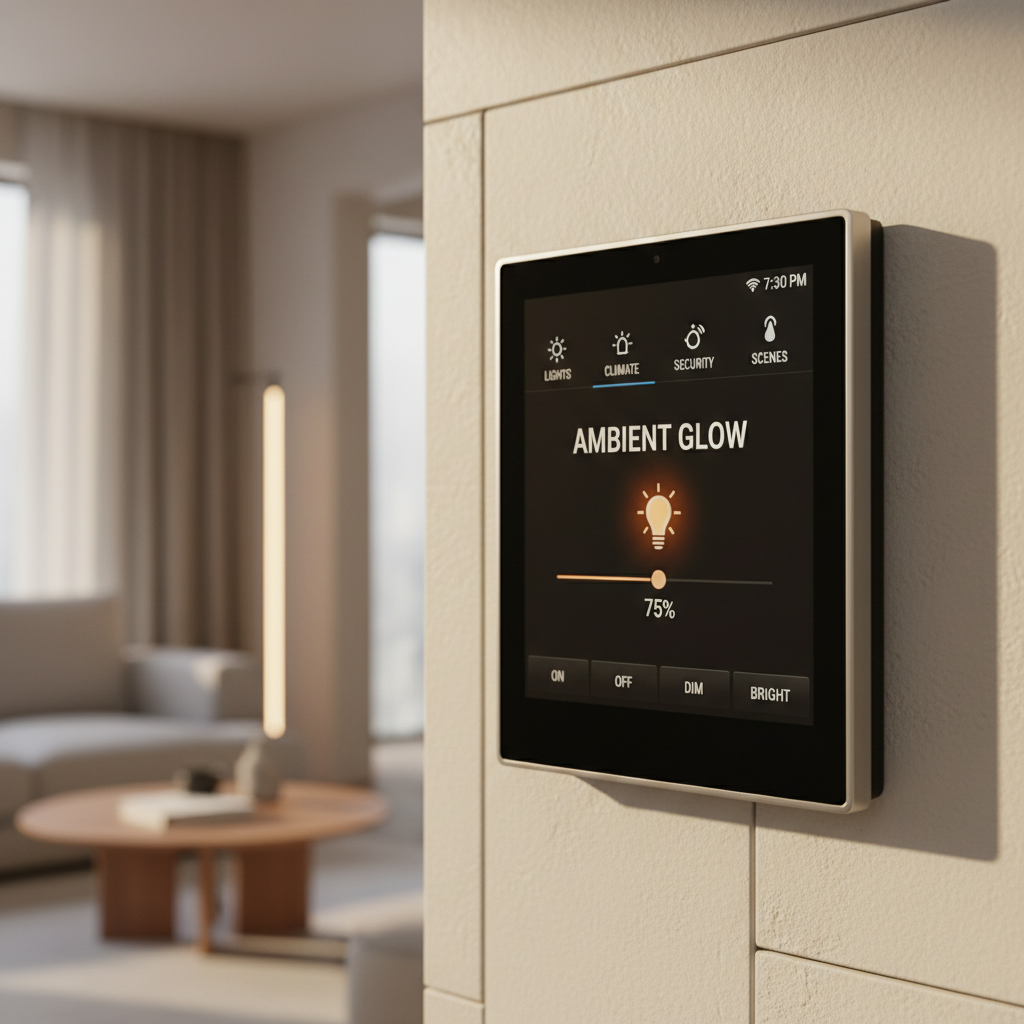
Unified Communication (UC) platforms are becoming a staple in modern AV integration. By combining various communication tools into a single platform, UC enhances collaboration and streamlines workflows. Employees can easily switch between calls, video conferences, and instant messaging, ensuring seamless communication regardless of location.
For businesses, this means increased productivity and reduced downtime. With UC, teams can collaborate more effectively, breaking down geographical barriers and fostering a more connected workplace.
Security Considerations
As AV systems become more sophisticated, security is a growing concern. Businesses need to ensure that their AV solutions are secure from potential threats. Implementing robust security measures, such as encryption and access controls, is essential to protect sensitive information and maintain the integrity of AV systems.

Future Trends to Watch
Looking ahead, several trends are poised to shape the future of AV integration. Augmented reality (AR) and virtual reality (VR) are gaining traction, offering immersive experiences that can transform presentations and training sessions. Additionally, the rise of artificial intelligence (AI) is expected to further enhance AV systems by providing advanced analytics and personalized experiences.
Businesses that stay ahead of these trends will be better positioned to leverage the full potential of AV technology, gaining a competitive edge in their respective industries.
Conclusion
The future of audio visual integration is bright, with numerous opportunities for businesses to enhance their operations and engagement strategies. By staying informed about the latest trends and technologies, companies can ensure they are making the most of their AV investments, driving growth, and fostering innovation.