Network Design Essentials: Creating Reliable Connectivity for Your Business
AM
Understanding Network Design
In today's digital landscape, robust network design is crucial for maintaining business connectivity and ensuring seamless operations. A well-structured network not only optimizes performance but also enhances security and scalability. To achieve this, businesses must prioritize key elements in network design.
Designing a network involves the strategic placement of devices and the configuration of connections to support the organization's goals. It's essential to consider factors such as the size of the business, the number of users, and the types of applications in use.

Key Components of Network Design
Scalability and Flexibility
One of the primary goals of network design is to ensure scalability and flexibility. As your business grows, your network should be able to expand without compromising performance. This involves designing with future growth in mind and selecting technologies that can adapt to changing needs.
Security Measures
Integrating robust security measures into your network design is essential to protect against cyber threats. This includes setting up firewalls, intrusion detection systems, and adopting a zero-trust model. Consistent monitoring and regular updates are also vital to maintain security.

Implementing Redundancy
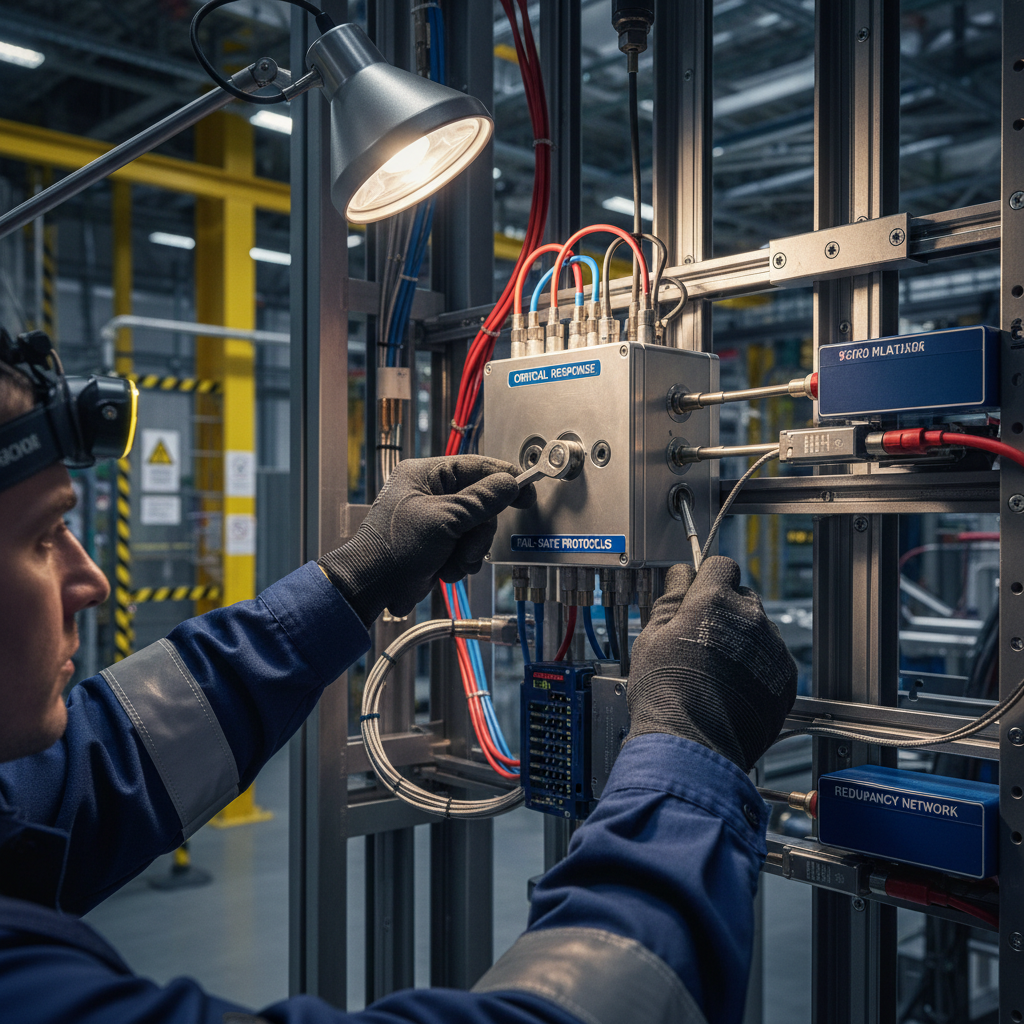
Redundancy is a critical aspect of network design that ensures reliability and minimizes downtime. By having backup systems in place, your business can continue to operate smoothly even in the event of a failure. This might involve duplicate hardware, alternative data paths, or cloud-based solutions.
Implementing redundancy requires careful planning and investment but pays off by significantly reducing the risk of network outages that could disrupt business operations.
Optimizing Network Performance
Efficient Resource Management
To achieve optimal network performance, it's crucial to manage resources effectively. This includes configuring routers and switches to prioritize traffic and ensure that critical applications receive the necessary bandwidth. Regular performance assessments can help identify bottlenecks and areas for improvement.
Choosing the Right Technology
The choice of technology plays a significant role in network design. Whether it's selecting the right type of cabling, wireless standards, or network equipment, making informed decisions can greatly impact the efficiency and reliability of your network.
By focusing on these network design essentials, businesses can create a reliable and efficient network infrastructure that supports their operations and growth. Investing in a well-designed network is not just about technology—it's about enabling your business to thrive in a connected world.