Expert Tips for Seamless Network Cabling Installation
AM
Understanding the Importance of Proper Network Cabling
Network cabling is the backbone of any IT infrastructure, providing the essential pathways for data transfer and connectivity. A well-planned cabling system ensures efficient communication and minimizes downtime. Whether setting up a new office or upgrading an existing network, seamless cabling installation is crucial for optimal performance.
Planning Your Network Cabling
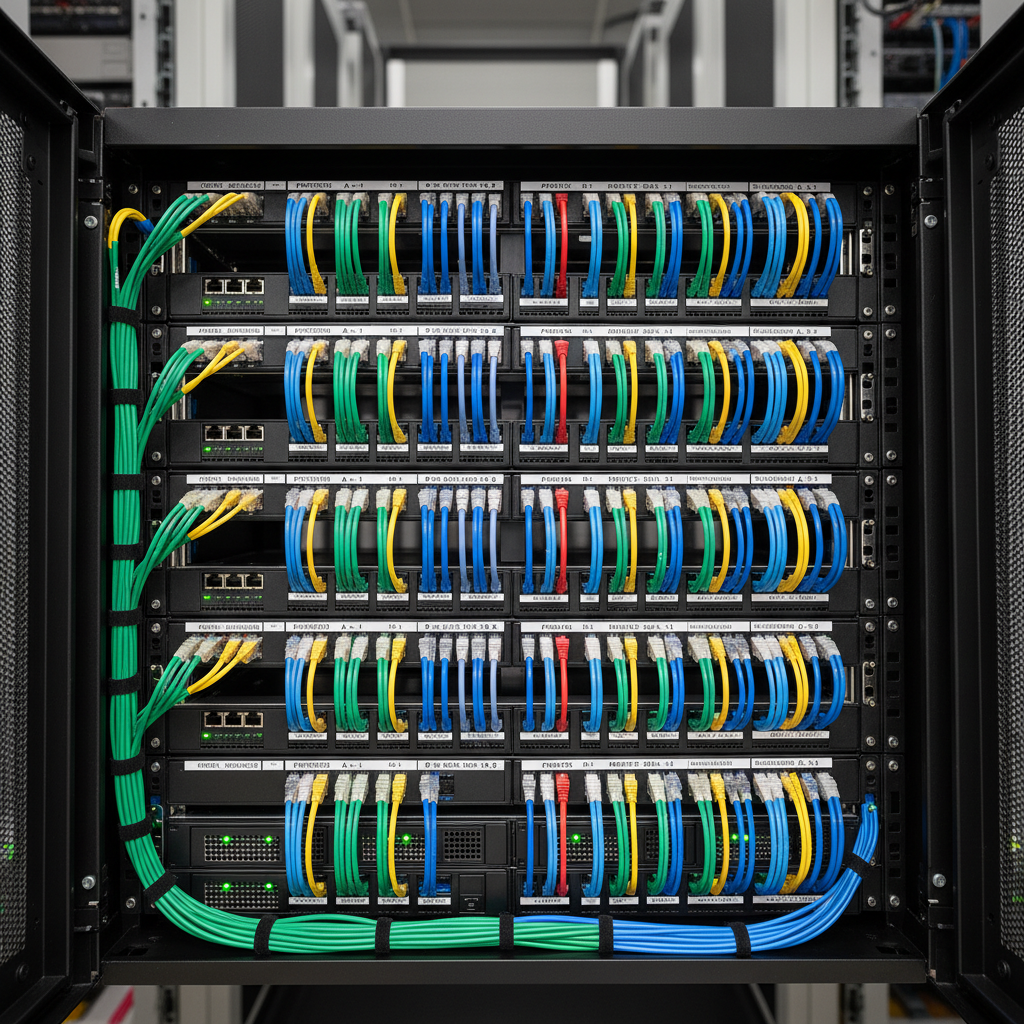
Before you begin the installation process, it’s essential to develop a comprehensive plan. Start by assessing your current and future needs, considering factors such as the number of workstations, data transfer requirements, and potential expansion. This foresight will help you choose the right type of cabling and layout.
Engage with IT professionals to conduct a site survey. This will help identify the best routes for cables, avoiding interference from electrical lines and other sources. Additionally, ensure compliance with industry standards to maintain system integrity and performance.
Selecting the Right Cabling
Choosing the appropriate cabling type is vital for a successful network installation. Consider factors such as bandwidth, distance, and environment. Common options include:
- Cat5e: Suitable for most small to medium-sized businesses, offering up to 1Gbps speed.
- Cat6: Ideal for higher data rates and longer distances, providing up to 10Gbps speed.
- Fiber Optic: Best for large-scale operations requiring high-speed data transfer over long distances.
Executing the Installation
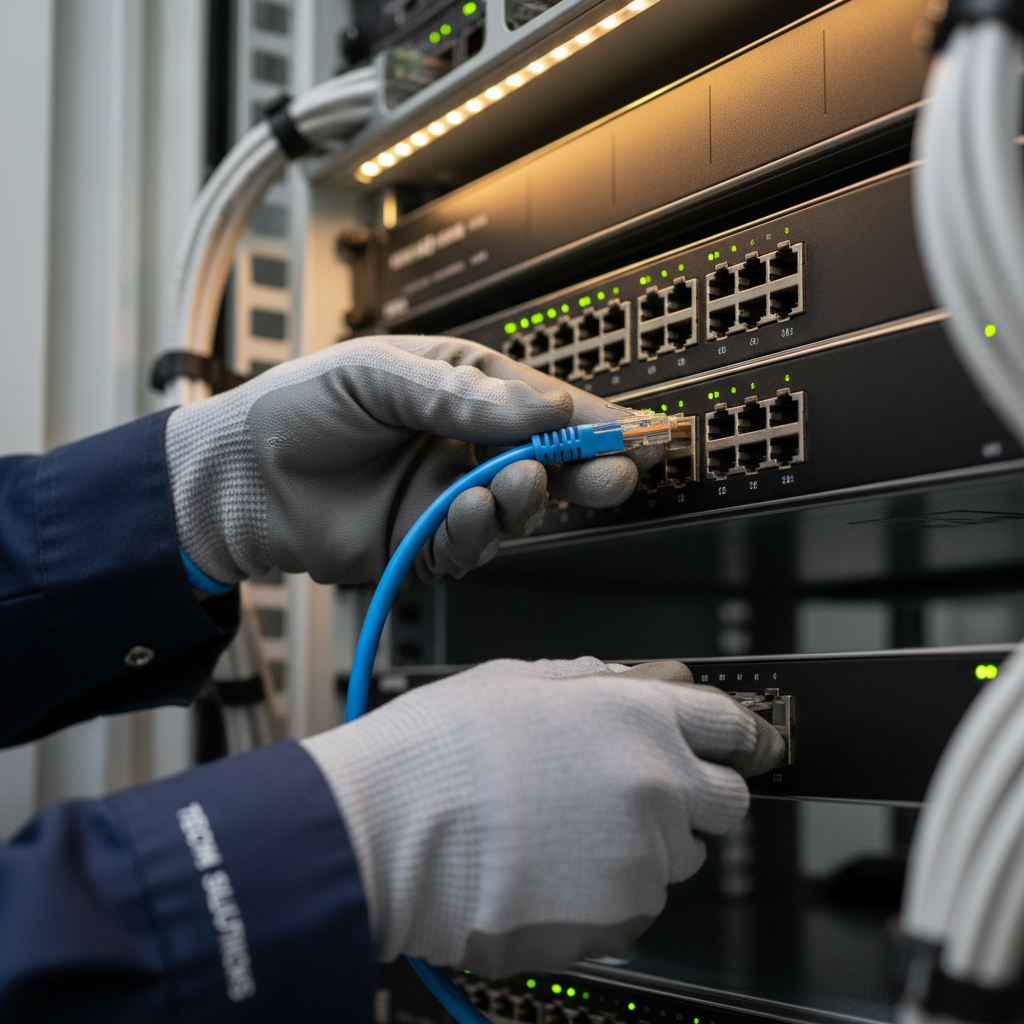
Once you have a plan and the right materials, it's time to execute the installation. Ensure all cables are labeled clearly to facilitate maintenance and troubleshooting. Use cable management solutions like trays and ties to keep everything organized and accessible.
Pay attention to the bend radius of cables to prevent damage and maintain signal integrity. Avoid running cables parallel to electrical lines to minimize interference. Regular testing is essential at this stage to ensure all connections are functioning correctly.
Maintaining Your Network Cabling
Proper maintenance is key to prolonging the lifespan of your network cabling. Regular inspections help identify potential issues before they escalate. Keep detailed records of the installation, including cable types, routes, and test results.

Invest in quality equipment and consider future upgrades to stay ahead in technology. A proactive approach to network maintenance ensures your system remains reliable and efficient, supporting business growth and innovation.
By following these expert tips, you can achieve a seamless network cabling installation, setting the foundation for a robust and efficient IT infrastructure. This investment in quality and planning will pay dividends in the form of increased productivity and reduced downtime.