Expert Tips for Effective Network Cabling Installation
AM
Understanding Your Network Requirements
Before diving into a network cabling installation, it's crucial to understand your specific network requirements. Consider the size of your business, the number of devices to be connected, and the type of data being transmitted. This information helps in selecting the right cabling type and setup.

Choosing the Right Cabling
There are various types of network cables available, such as Cat5e, Cat6, and fiber optic. Each has its own advantages, with Cat6 being popular for its balance of speed and cost. Fiber optic cables are ideal for high-speed data transfer over long distances. Assess your needs to choose the best option.
Planning the Cabling Layout
A well-thought-out layout is essential for an efficient network. Create a detailed plan that includes the locations of all devices and the paths the cables will take. This planning helps in minimizing cable length and reducing potential interference.

Implementing Cable Management
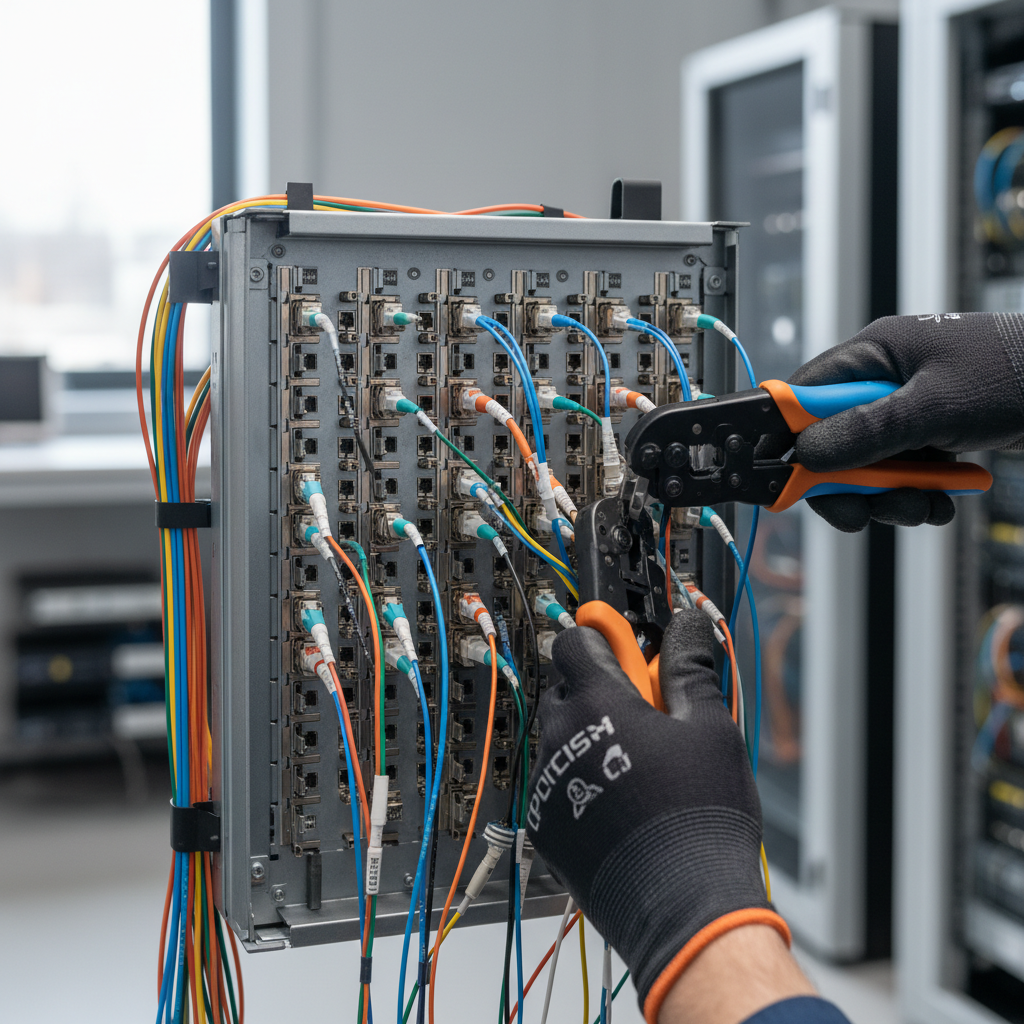
Proper cable management is vital for maintaining system performance and reliability. Use cable trays, ties, and labels to keep everything organized. This not only enhances aesthetics but also simplifies future maintenance and troubleshooting.
Testing and Certification
Once the cables are installed, it's important to test and certify them to ensure they meet industry standards. Use network cable testers to check for continuity, signal strength, and other vital parameters. Certification provides peace of mind that your network is ready for operation.
Considering Future Expansion
Plan for future growth by installing extra cabling or conduit that can accommodate additional cables. This foresight can save time and money when your network needs to expand, ensuring scalability without major disruptions.
Ensuring Compliance with Standards
Adhering to industry standards, such as those set by ANSI/TIA, ensures your network cabling installation is safe and efficient. These standards cover various aspects, including performance, design, and installation practices.

Engaging Professional Installers
While DIY installations can be tempting, hiring professional installers guarantees expertise and quality. Experts bring experience, ensuring a flawless setup while avoiding common pitfalls. Their knowledge in handling complex installations can be invaluable.
By following these expert tips, you can ensure a successful network cabling installation that meets your current needs and is prepared for future demands. A well-designed network is the backbone of any modern business, enabling efficient communication and data management.