Enhancing Business Security: The Role of Access Control Systems
AM
Understanding Access Control Systems
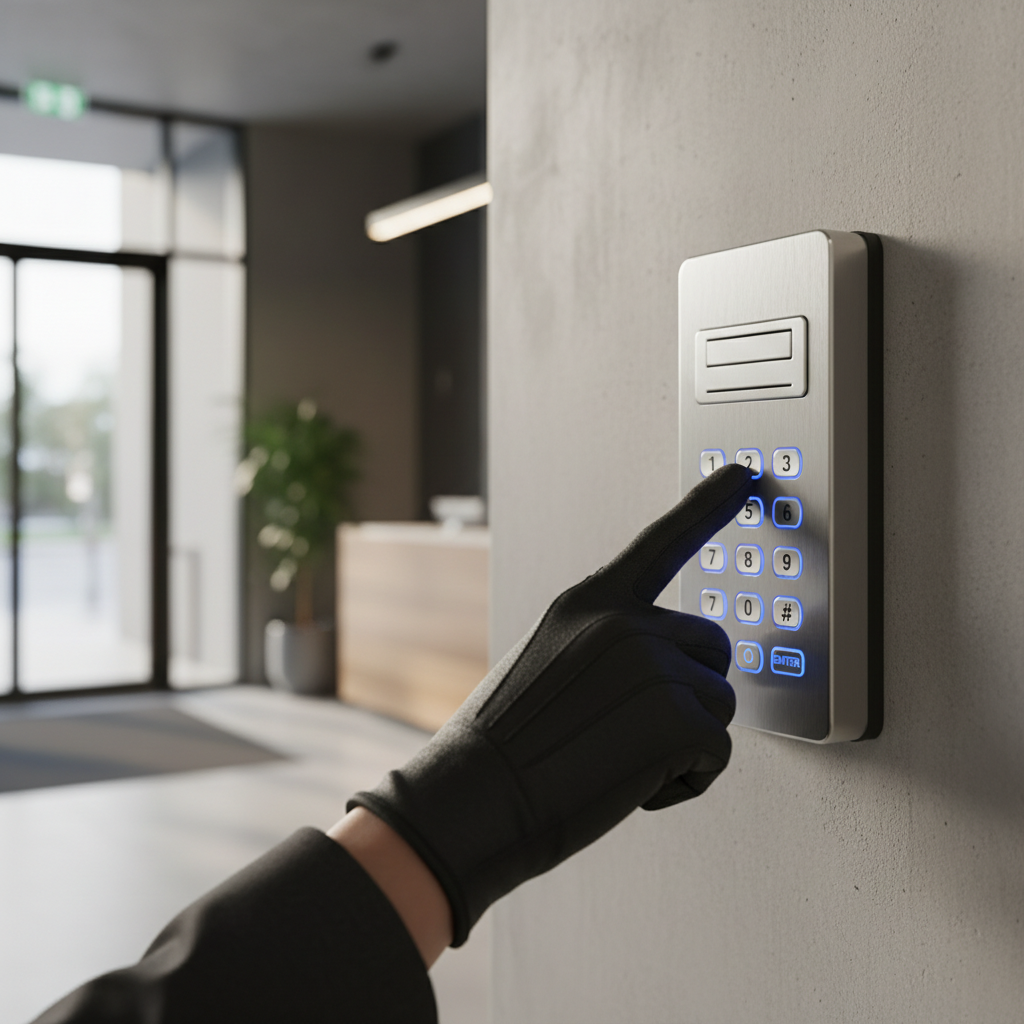
In today's rapidly evolving business landscape, ensuring the security of your premises is more crucial than ever. Access control systems play a pivotal role in enhancing business security by regulating who can enter and exit specific areas. These systems are not only about restricting access but also about providing a safe and secure environment for both employees and customers.
Access control systems range from basic lock-and-key mechanisms to sophisticated biometric technologies. The choice of system depends on the specific needs and size of the business. By implementing the right access control solution, companies can significantly reduce unauthorized access and potential security breaches.
Types of Access Control Systems
There are several types of access control systems available, each with its own set of features and benefits. The most common types include:
- Discretionary Access Control (DAC): This system allows business owners to decide who is allowed in a specific area, providing flexibility in access rights.
- Mandatory Access Control (MAC): More rigid than DAC, MAC systems use a centralized authority to control access, ideal for organizations requiring high security.
- Role-Based Access Control (RBAC): Access is granted based on the user's role within the organization, ensuring that individuals only have access to information pertinent to their job.
Each system has its advantages, and businesses must evaluate their specific security needs to choose the most suitable option.
Benefits of Implementing Access Control Systems
Access control systems offer numerous benefits that go beyond security. They improve operational efficiency by streamlining entry processes and reducing the need for physical keys. Moreover, these systems provide detailed records of who accessed different parts of the premises and when.
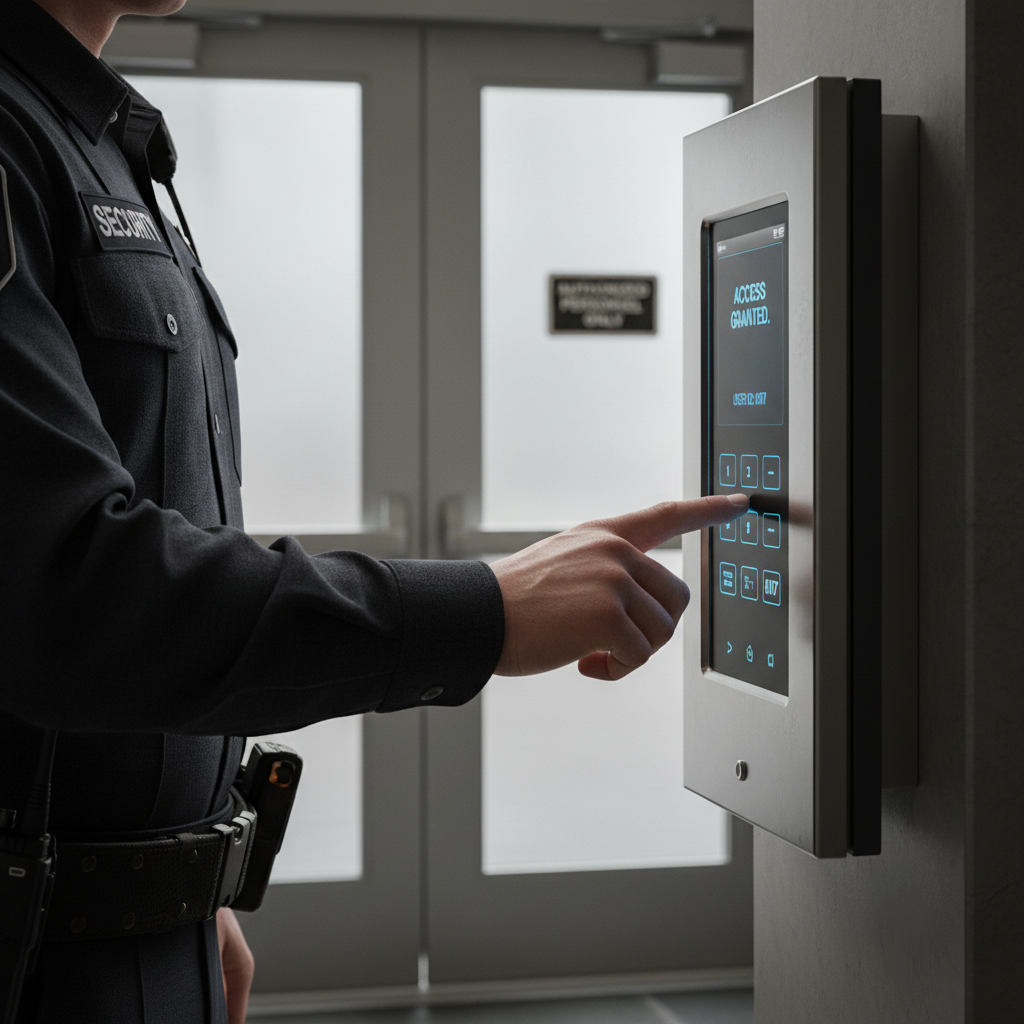
Another significant advantage is the ability to quickly update access permissions. In case of employee turnover or role changes, access rights can be adjusted without the need for reissuing physical keys, which enhances both convenience and security.
Choosing the Right System for Your Business
Selecting the right access control system involves considering several factors such as the size of the business, the number of entry points, and the level of security required. It's also important to consider the integration capabilities with existing security infrastructure like CCTV and alarm systems.
Businesses should also evaluate the user-friendliness of the system. A complex system can lead to user errors, which might compromise security. Therefore, involving stakeholders in the decision-making process can ensure the chosen system meets everyone’s needs.

Future Trends in Access Control
The future of access control systems is shaped by technological advancements. Biometric systems, which use fingerprints, facial recognition, or iris scans, are becoming increasingly popular due to their high level of security and convenience.
Additionally, mobile access control, which allows users to unlock doors using their smartphones, is gaining traction. This technology not only enhances security but also integrates seamlessly with other digital solutions, offering a holistic approach to business security.
Conclusion
Access control systems are indispensable for modern businesses aiming to enhance security and operational efficiency. By understanding the different types of systems and their benefits, businesses can make informed decisions to protect their assets and personnel. As technology evolves, staying updated with the latest trends will ensure that your business remains secure and competitive.