Enhance Workplace Security: Choosing the Right Security Cameras for Your Business
AM
In today's ever-evolving business landscape, ensuring workplace security has become more critical than ever. One of the most effective ways to safeguard your premises is through the use of security cameras. With a plethora of options available, selecting the right cameras for your business can be daunting. This guide will help you make an informed decision by covering essential aspects of choosing the ideal security cameras.
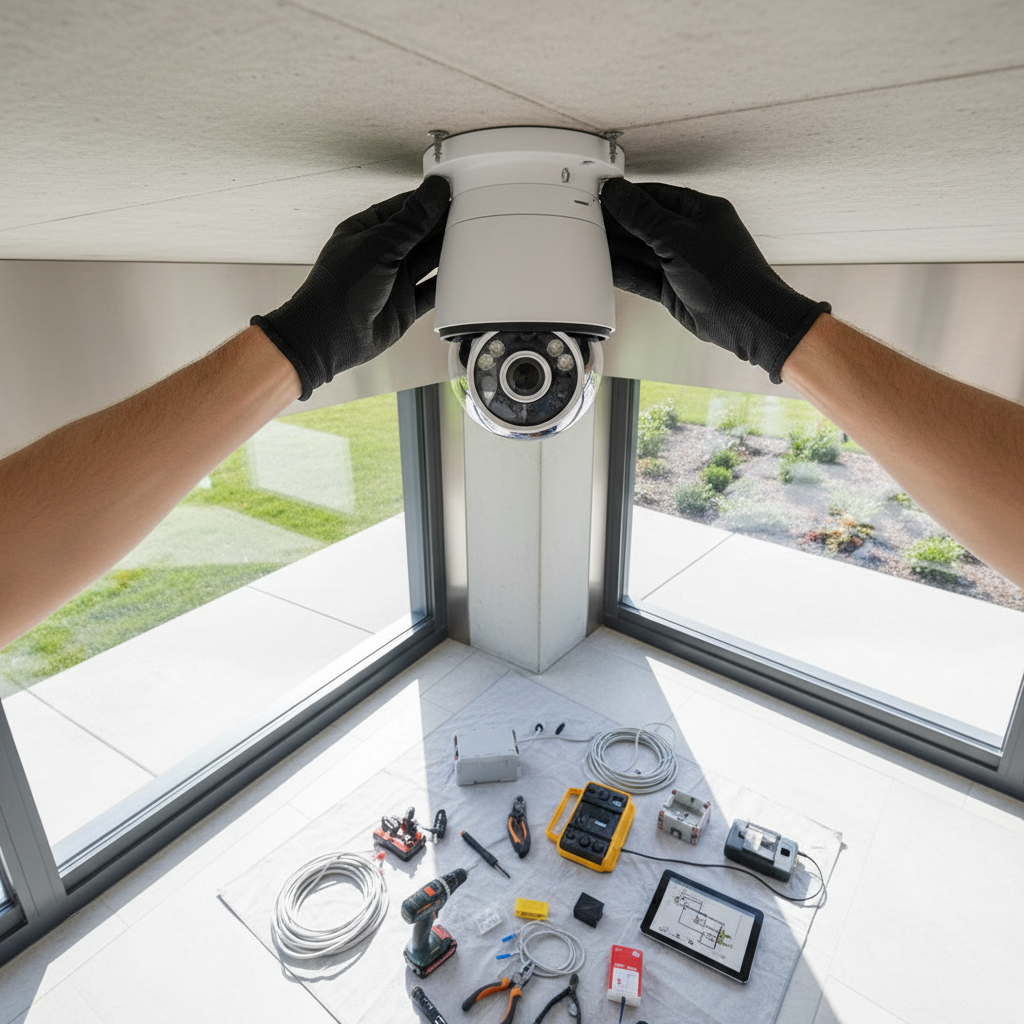
Understanding Different Types of Security Cameras
Before investing in security cameras, it’s important to understand the various types available. The most common types include:
- Dome Cameras: Known for their discreet design, these cameras are suitable for indoor use and areas requiring 360-degree coverage.
- Bullet Cameras: With a more visible presence, these are ideal for outdoor use and long-distance viewing.
- PTZ Cameras: PTZ stands for pan, tilt, and zoom, offering flexible viewing options and remote control.
Each type has its unique advantages, so consider your specific needs and environment before making a choice.
Key Features to Consider
When choosing security cameras, several features should be prioritized to ensure optimal performance. Resolution is crucial for capturing clear images, so opt for at least 1080p for clarity. Night vision capabilities are essential for 24/7 surveillance, enabling cameras to record clear footage in low-light conditions.
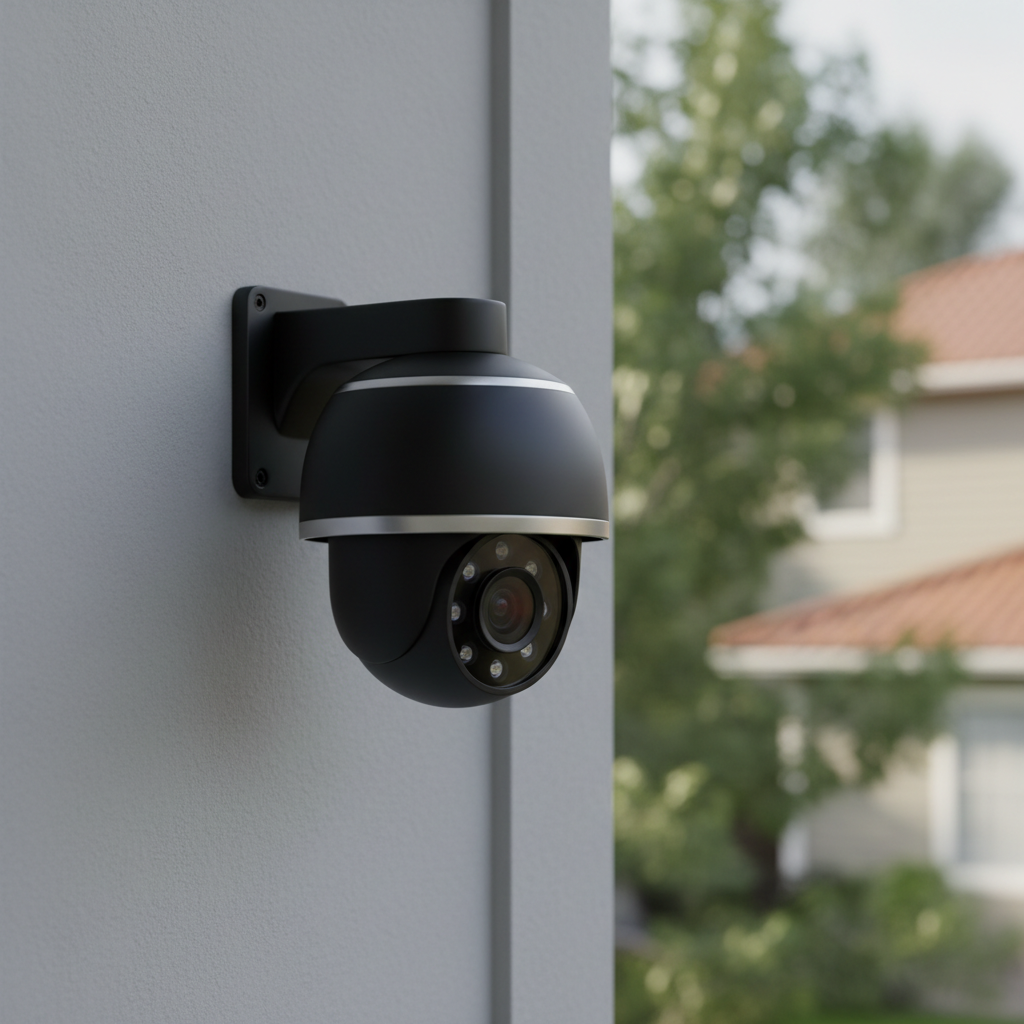
Additionally, consider the field of view to determine how much area a camera can cover. A wider field of view may reduce the number of cameras needed. Weather resistance is also important, particularly for outdoor cameras, to withstand various environmental conditions.
Integrating Cameras with Existing Systems
To maximize your security system's efficiency, consider integrating cameras with existing alarm systems and access controls. This allows for a cohesive security strategy, ensuring comprehensive coverage and quicker response times. Many modern cameras offer seamless integration with smart systems, providing real-time alerts and remote monitoring capabilities.

Installation and Maintenance
The installation process plays a crucial role in the effectiveness of security cameras. Professional installation ensures cameras are positioned optimally to cover key areas and reduce blind spots. Regular maintenance is equally important to ensure the system remains functional and reliable. Schedule routine checks to clean lenses and update software, keeping your system in top condition.
Cost Considerations
While budget is always a key factor, it’s important to weigh cost against the level of security provided. Investing in high-quality cameras may have a higher initial cost but can offer long-term savings by reducing theft and vandalism. Consider the total cost of ownership, including installation, maintenance, and potential repairs, to make an informed decision.
Choosing the right security cameras can significantly enhance workplace security. By understanding the different types, key features, and integration possibilities, you can create a robust security system tailored to your business's unique needs.