Comparing Network Cabling Technologies: What’s Best for Your Business?
AM
Understanding Network Cabling Technologies
In today's digitally connected world, choosing the right network cabling technology is crucial for businesses of all sizes. The type of cabling you select can impact everything from data speed to overall network reliability. With multiple options available, it's essential to understand which technology aligns best with your business needs.
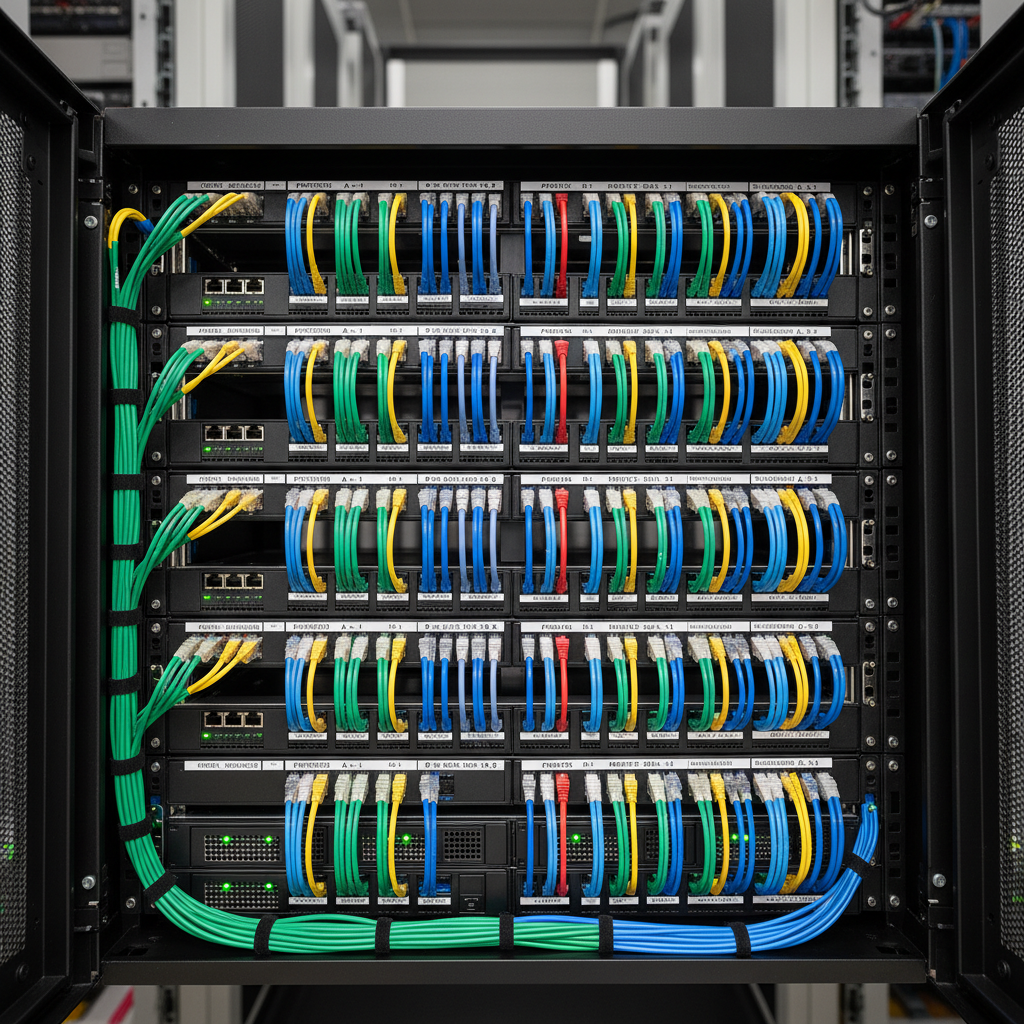
Types of Network Cabling
There are several types of network cabling technologies that businesses commonly use. The most popular ones include twisted pair cables, coaxial cables, and fiber optic cables. Each type has its own advantages and specific use cases. Understanding these can help you make an informed decision.
- Twisted Pair Cables: Widely used in Ethernet networks, these cables are versatile and cost-effective.
- Coaxial Cables: Known for their durability and resistance to signal interference, they are often used for cable television and broadband internet.
- Fiber Optic Cables: Offering high-speed data transmission over long distances, these cables are ideal for data-intensive applications.
Comparing Cost and Performance
When comparing network cabling technologies, cost and performance are critical factors. Twisted pair cables are generally the most affordable option, making them suitable for small to medium-sized businesses. However, fiber optic cables, though more expensive, provide superior performance, especially for larger enterprises requiring high-speed data transfer.

Installation and Maintenance Considerations
Another factor to consider is the ease of installation and maintenance. Twisted pair cables are relatively easy to install and maintain, while coaxial cables require more expertise due to their complexity. Fiber optic cables, though offering exceptional performance, typically demand professional installation and regular maintenance to ensure optimal functioning.
Businesses should weigh the initial installation costs against the potential long-term benefits of each cabling technology. Investing in the right infrastructure can lead to significant savings and improved operational efficiency over time.
Future-Proofing Your Network
As technology continues to evolve, future-proofing your network is a consideration that should not be overlooked. Fiber optic cables are often recommended for businesses looking to future-proof their network infrastructure due to their scalability and adaptability to emerging technologies.

While the initial investment might be higher, the ability to support future advancements without needing a complete overhaul makes fiber optics a wise choice for forward-thinking businesses.
Making the Right Decision
Ultimately, the best network cabling technology for your business depends on various factors, including your budget, current infrastructure, and future growth plans. Consulting with a network specialist can provide valuable insights and help tailor a solution that meets your specific needs.
Investing time in researching and understanding these technologies ensures that your business remains competitive and capable of meeting the demands of an increasingly digital landscape.