5 Essential Steps for a Successful Network Cabling Installation
AM
Understanding Your Network Requirements
Before beginning any network cabling installation, it's crucial to understand the specific needs of your network. This includes determining the type of data being transmitted, the speed required, and the future scalability of the network. Assessing these factors will help guide the choice of cables and equipment, ensuring a robust and efficient setup.

Conducting a Site Survey
A thorough site survey is essential to identify the physical layout and any potential obstacles that could impact the installation. This involves mapping out the location of devices, understanding the building's infrastructure, and checking for any interference sources. A detailed survey helps in creating a comprehensive plan, minimizing unexpected challenges during installation.
Choosing the Right Cabling
Once the requirements and site conditions are clear, selecting the appropriate cabling becomes the next step. Options include Cat5e, Cat6, Cat6a, and fiber optic cables, each offering different advantages. It's important to select cables that match the performance needs and budget constraints of your network setup.
Planning the Cabling Pathways
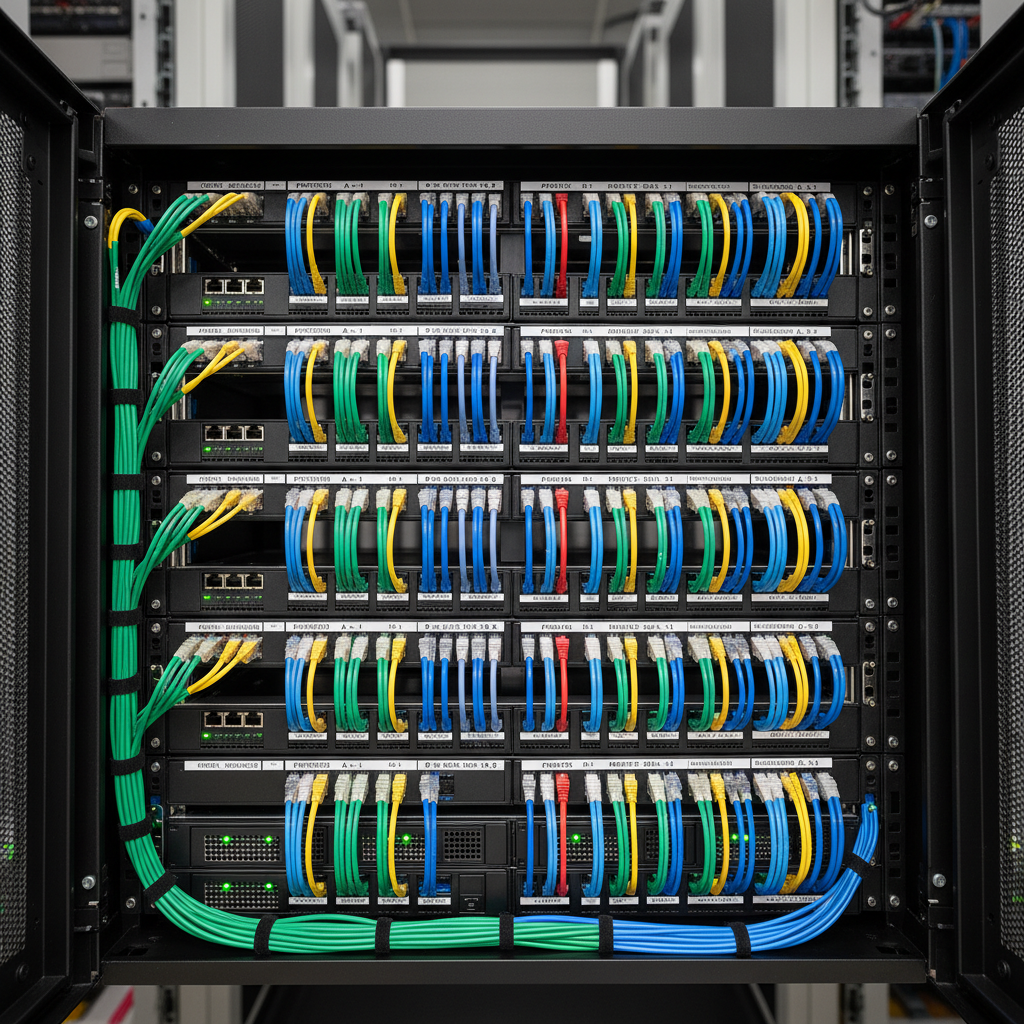
Careful planning of cabling pathways ensures neat and organized installations, reducing signal loss and interference. This involves deciding on the best routes for cables, taking into account any physical barriers, and ensuring compliance with building codes and safety regulations. Proper planning also facilitates future maintenance and upgrades.
Executing the Installation
With a plan in place, the actual installation can proceed. This involves laying the cables, connecting them to the necessary devices, and ensuring all connections are secure. It's important to follow best practices and industry standards during this phase to prevent potential issues and ensure optimal performance.
Testing and Certification
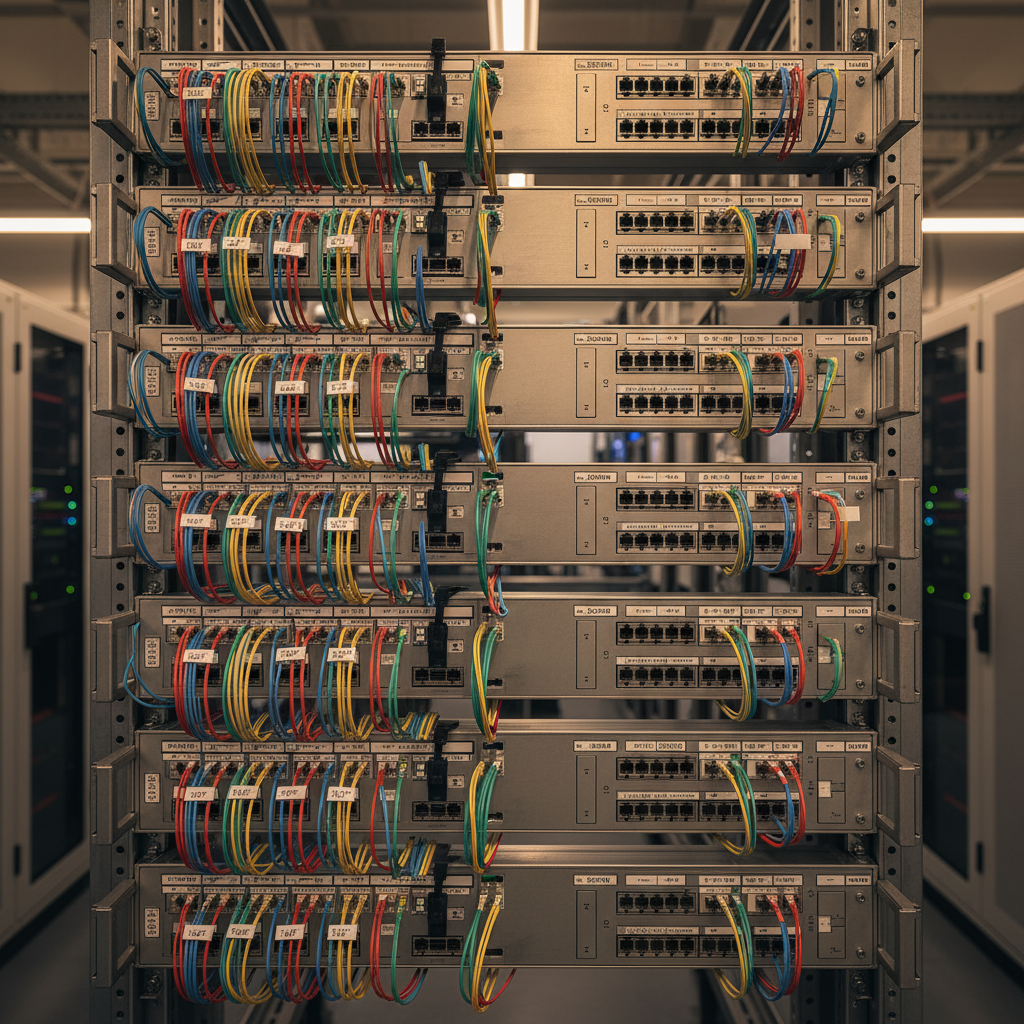
After installation, thorough testing is essential to confirm that the network meets the required performance standards. This includes checking for proper data transmission, signal strength, and identifying any faults or errors. Certification of the network ensures it is ready for use and provides documentation for future reference.
Maintaining and Upgrading the Network
Regular maintenance is key to a successful network cabling installation. Scheduled inspections can help identify wear and tear, preventing potential failures. Additionally, planning for future upgrades ensures the network can adapt to increasing demands, maintaining efficiency and reliability over time.